
What Men Are Missing (In Themselves)
Day Two of Unfinished Parts of a Book I’ve Yet to Write

Hi! This is part two of a mini-series, “Unfinished parts of a book I’ve yet to write,” I started while co-hosting and participating in a five-day writer’s retreat. More on the context at the bottom of this piece. Enjoy reading!
Last night I received a call from a loved one who told me he’d just been attacked by three men in the streets.
He’d just returned from the gym back home, around 6 p.m, entering a crowded bus where these men, who’ve visibly had a few too many drinks, started to pick on him, calling racial and homophobic slurs. The bus driver stopped and asked them to leave, which they did. As my friend got off at one of the following stops, he felt a kick in the back. Turning around, he began defending himself when, luckily, other passersby, some of whom may have been on the bus too, intervened and helped calm the situation. Minutes later, the police arrived, called by someone who must have witnessed the incident.
Though thankfully there hadn’t been physical harm, what lingers is a wound inside—one that will need to be tended to for the coming time.
I’m sharing this story partly to process for myself what has happened, but also to emphasize what we know is true but deserves to be repeated: men, too, are harmed by other men, and are consequently suffering in our patriarchal society. We all do.
Violence, and male violence in particular, is all around us, in speech as well as behavior, in physical as well as emotional forms. It’s core to the norms we’ve set in our day-to-day and most cultures in the world, held together and justified by domination and power, oppression and aggression.
What are the origins of this violence? How is it being perpetuated by the ways in which we tolerate and establish socialization, gender roles, and the premises of society itself?
While part of me wants to demonize—and wish for revenge against—the three men, a larger part of me seeks to understand. As a feminist, a woman, a daughter, and a partner in a heteronormative relationship, I want to take part in the work that men—and we as a society—must do to reimagine maleness and masculinity. Nor should any acts of violence be excused or downplayed. Yet I also see that the origins of violence and the widely cited numbers on male loneliness stem from the same root — a deeply wounded place, a disconnection from oneself and from the world.
I deeply resonate with the work of bell hooks, whose book The Will to Change—Men, Masculinity, and Love, I coincidentally just finished, in which she speaks to the shared responsibility of women and feminists to stay in relationship with men if we want them to truly change.
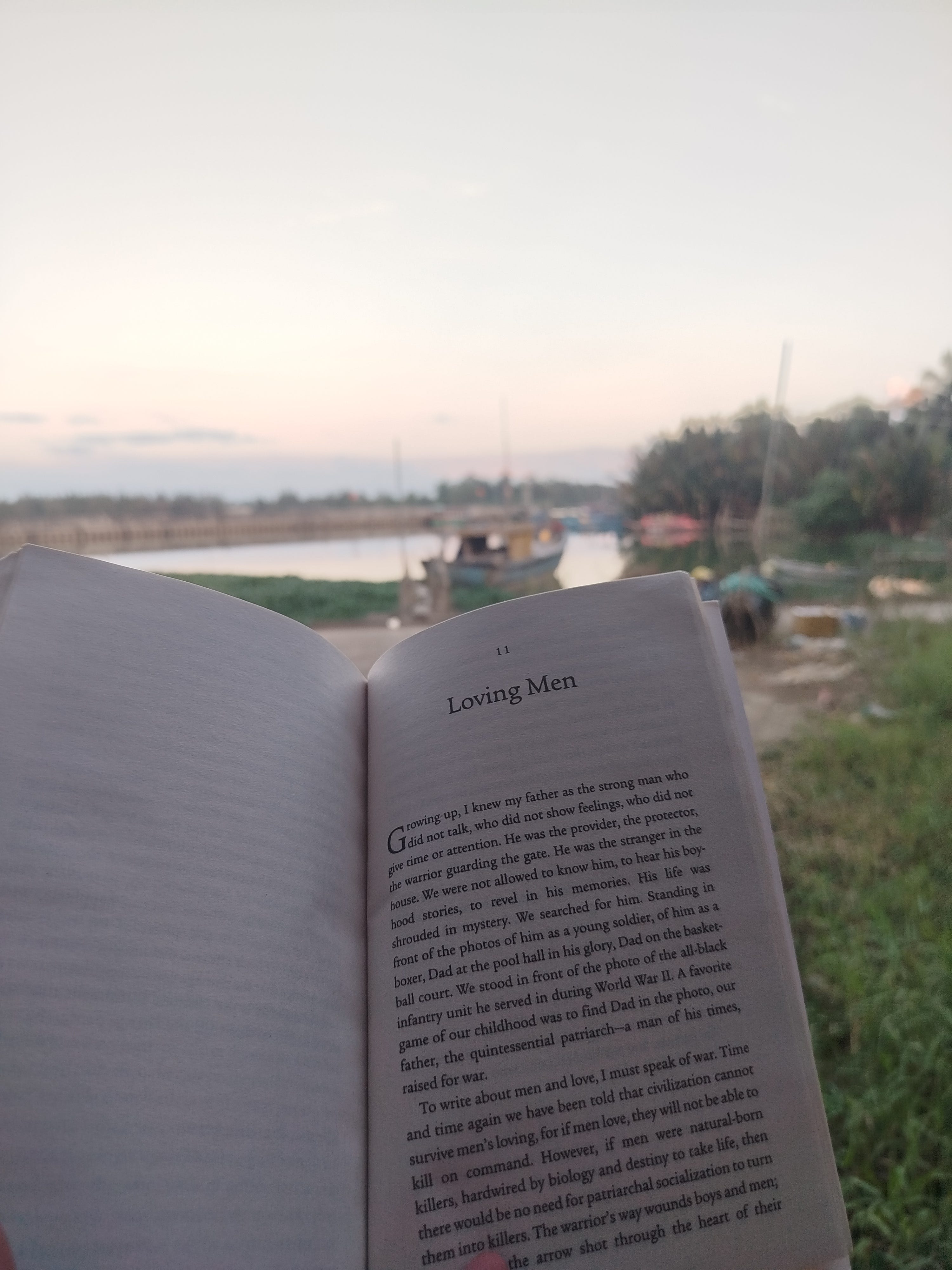
When I first heard of the incident, my first thought after a loud WTF was: What must have happened to these men to act in such a way? What wounded them so deeply that violence and hate became their language?
In our common framing of perpetrator and victim, it’s easy to neglect the truth that those who inflict violence often carry experiences of violence within. I’ve seen this in my own father, too, for example.
Patriarchal masculinity, the norms imposed on boys and men and the ways they are socialized, emerges from a deep rift of disconnection and loneliness. Developmental psychologist Niobe Way has shown that boys and men are systematically robbed of their ability to connect intimately: they learn to equate love with weakness, trading tenderness for aggression and violence for the full range of human emotions and longings they could have.
In hearing the stories of men I love and have loved, of those who have opened themselves up to me, of those dedicated to men’s work, and through my own work creating spaces for men, it repeatedly strikes me how lonely it must feel to be (or become) a man. Not merely lonely in the sense of lacking meaningful relationships, but lonely in the deep despair I wrote about yesterday — what Kierkegaard called the unconscious despair of being alienated from oneself, which often goes unnamed because it feels “normal.”
To put it in the words of Barbara Deming, advocate for nonviolent social change:
“I think the reason that men are so very violent is that they know, deep in themselves, that they’re acting out a lie, and so they’re furious at being caught up in the lie. But they don’t know how to break it…. They’re in a rage because they are acting out a lie—which means that in some deep part of themselves they want to be delivered from it, are homesick for the truth.”
Homesick for the truth — homesick, in other words, longing: a loneliness for feeling yourself and feeling at all.
If this homesickness, the disconnection from the self, and the loneliness that arises with it, is what makes boys and men prone to aggression and violence, then we must look at other ways of coping and compensating the need to be seen, heard, and known.
What happens to—and who benefits from—men staying lonely?
Violence and dominance show up not only in interpersonal situations but also in the broader political and economic world. Signs of quiet desperation and silenced longing, arguably the worst forms of loneliness, for example, show up in:
men disproportionately having fewer deep and intimate friendships,
men being less likely than women to seek help for depression and mental health issues
higher rates of substance abuse (men account for ~60–70 % of alcohol-related disorders worldwide),
global suicide rates that are more than twice as high among men than among women
Latest research also suggests that loneliness and social isolation can influence political radicalization, particularly among young men who feel unseen and disconnected, making them more vulnerable to extremist ideologies that promise identity, belonging, and purpose. This includes political movements, digital platforms, military recruitment pipelines, and industries built on grievance, consumption, and control.
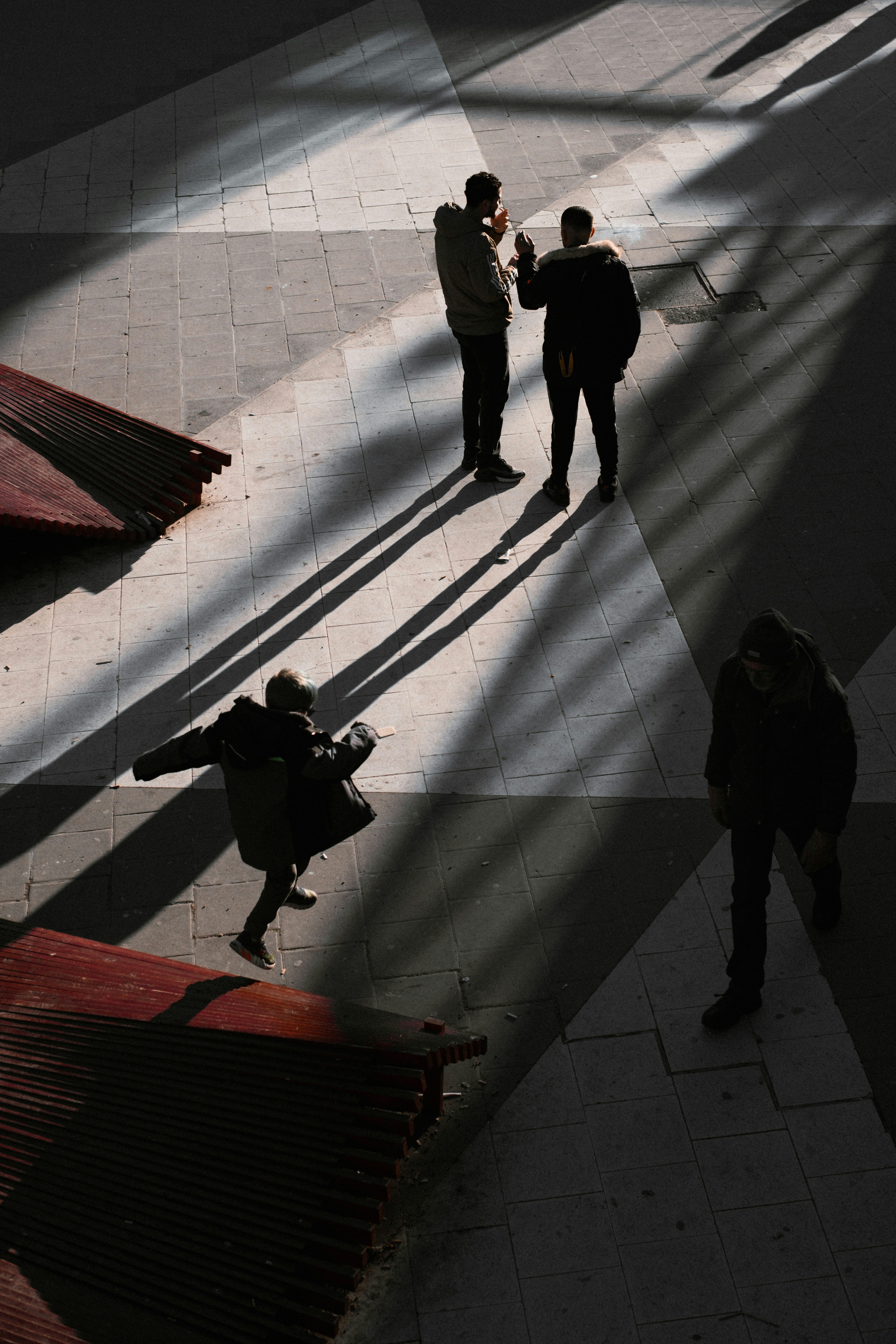
In addition to these patterns, what’s becoming apparent in the age of AI—as a business of intimacy and simulated companionship, with emotional bonds forming between humans and chatbots — is how boys and men sometimes seek intimacy in the easiest accessible ways. This mirrors how many are taught to avoid vulnerability and mistake intimacy for sex: physical sensation and performance become proxies for connection because culture allows men to fall into narrow stereotypes about what a man is supposed to be and how he connects. Hookup and dating culture often reinforces this.
Yet beneath it all, lies a longing to connect more deeply, but a helplessness or confusion in how. And how to do so without being mocked or rejected, especially by other men.
A 2024 study found that emotion regulation difficulties mediate this link, with men using porn to cope with unmet emotional needs. However, this often reinforces detachment, as porn offers illusionary connection without real relational depth. In other words, porn and sexual gratification alone might provide initial relief, a fleeting sensation of connection, yet miss the point of true intimacy and often leave a lingering sense of loneliness. By the way, the global pornography industry is estimated to be worth around $97 billion annually.
The question I’m left with is: are we truly willing enough to listen and hold male pain, individually and collectively? Pain that’s been accumulated over generations, that has harmed many—including boys and men themselves—and that’s been silenced and masked, and will continue to exist if not acknowledged and transformed?
Are we willing to hold men in their loneliness?
As bell hooks wrote: “the inability to acknowledge the depths of male pain makes it difficult for males to challenge and change patriarchal masculinity,” and so the willingness to change becomes a responsibility we must share with one another.
This might require those of us as female partners to reconcile and to love men, in bell hooks words, loving maleness, too.
It might mean disentangling the notion of performance and success from men: loving them in simply being, allowing them to fall apart, and stopping the measurement of worth solely by productivity or dominance. It will require new archetypes and language that do not revolve around strength, aggression, war, or competition. It will require reimagining work cultures and economic structures built on power and control mechanisms that make patriarchal forms of domination and competition thrive, rewarding only those who follow such roles. We must deconstruct the powerful notion of “the father” figure, whether in private lives, shared communities, or politics, and find language that centers care and compassion despite real pain and justified resentment.
And how do we name and materially compensate the emotional, relational, and educational labor that women are already disproportionately carrying in this transformation?
When we allow men to come home to themselves, to create the conditions for reconnection, for longing fulfilled, for true intimacy, for reassurance of capacity to love and be forgiven, we will be able to hold men in their loneliness and despair, and perhaps, move closer to a world where violence no longer feels inevitable, whether in the our everyday life or in the many sites of war and destruction across the world right now.
Thank you for reading—and see you tomorrow!
This is part of a mini-series “Unfinished parts of a book I‘ve yet to write” I’m on this week as part of a five-day writer’s retreat I’m co-hosting and participating in, with 12 participants at Creative Play Residency in Hoi An, Vietnam. Find all parts here on my Substack.
Thank you so much for this sharing. I have often felt like there aren’t enough women out there defending men. Especially in Berlin, I’ve experienced a lot of black and white thinking and it often breaks my heart when I see the mistreatment of men by both sexes. Taking responsibility for how I contributed to bad patterns, and then transforming them and learning to understand men better, was one of the single best gifts I could have given myself about 5 years ago. Harmonious relationship and trying to understand each other feels so yum and makes us more resilient against bigger oppressive structures. Thank you for shedding light on this topic and bringing it more into discussion.